

- 首页
- 产品
-
信号通路
- 细胞进程相关信号通路(Cellular Processes)
- 细胞的环境信息应答相关信号通路(Environmental Information Processing)
- 人类疾病相关信号通路(Human Diseases)
-
机体系统相关通路研究(Organismal Systems)
- 免疫相关通路(Immune-Related Pathways)
- 造血与凝血相关通路(Hematopoietic & Coagulation-Related Pathways)
- 内分泌与代谢相关通路(Endocrine & Metabolic Pathways)
- 神经相关通路(Neural-Related Pathways)
- 心血管与肌肉相关通路(Cardiovascular & Muscle-Related Pathways)
- 发育与衰老相关通路(Development & Aging-Related Pathways)
- 节律与信号调控相关通路(Rhythm & Signal Regulation Pathways)
- 遗传信息调控相关信号通路(Genetic Information Processing)
- 支持中心
- 联系我们

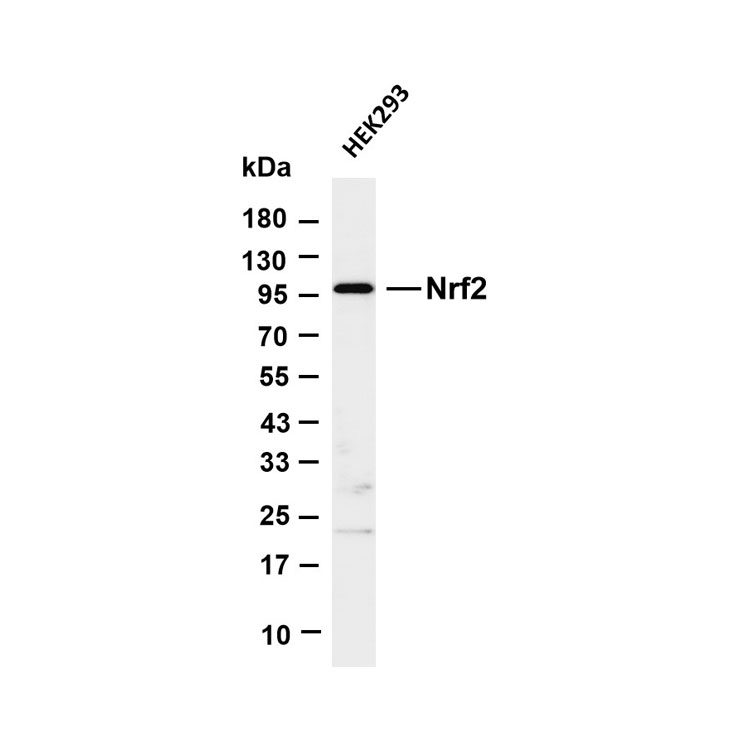
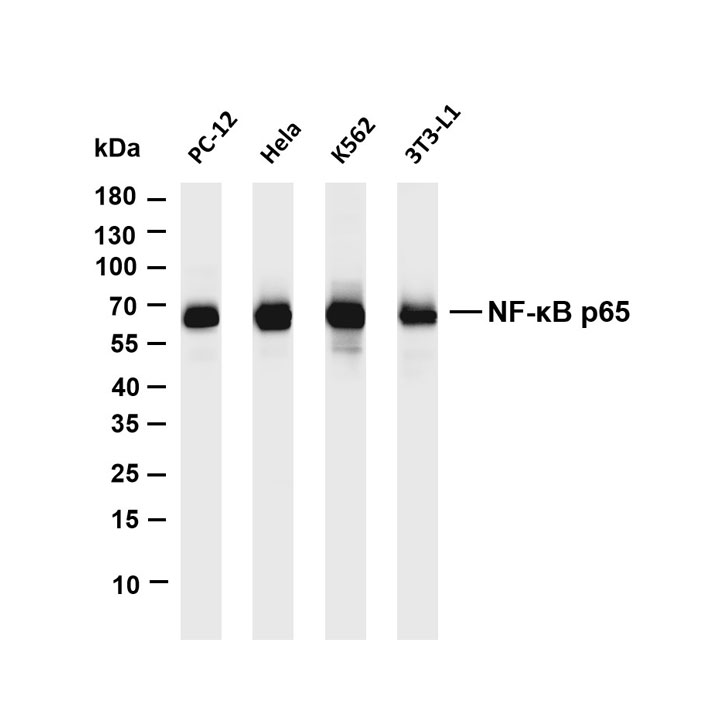
Ubiquitinated Primary Antibodies
1 High modification specificity: recognizes protein ubiquitination (mono-/polyubiquitination), distinguishes ubiquitinated/non-ubiquitinated proteins, no cross-reactivity with other post-translational modifications.
2 Broad type coverage: some recognize polyubiquitination of different chains (e.g., K48, K63), suitable for studies on ubiquitination-mediated degradation, signal transduction, etc.
3 Strong anti-interference ability for complex samples and experimental conditions.
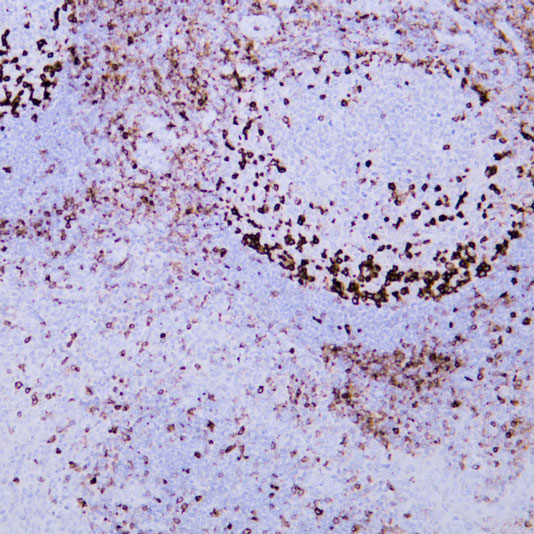
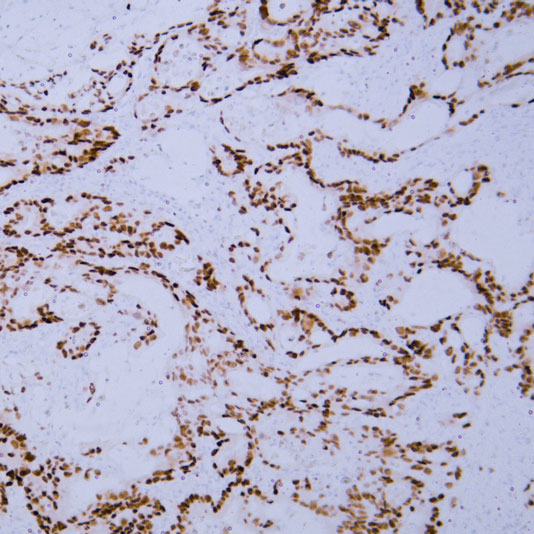
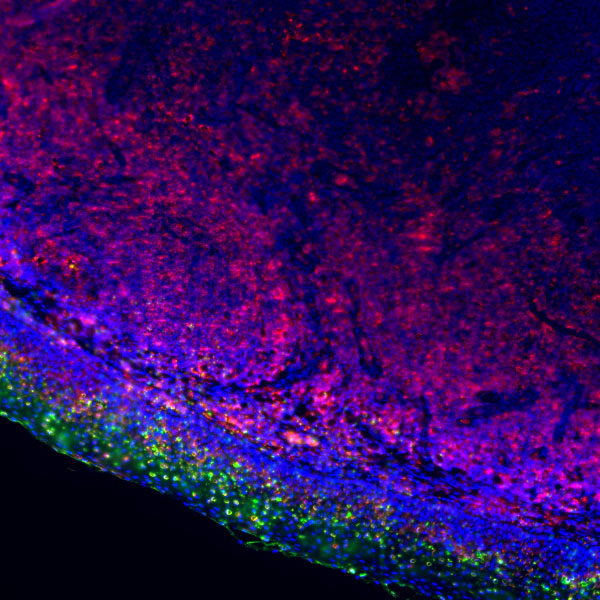
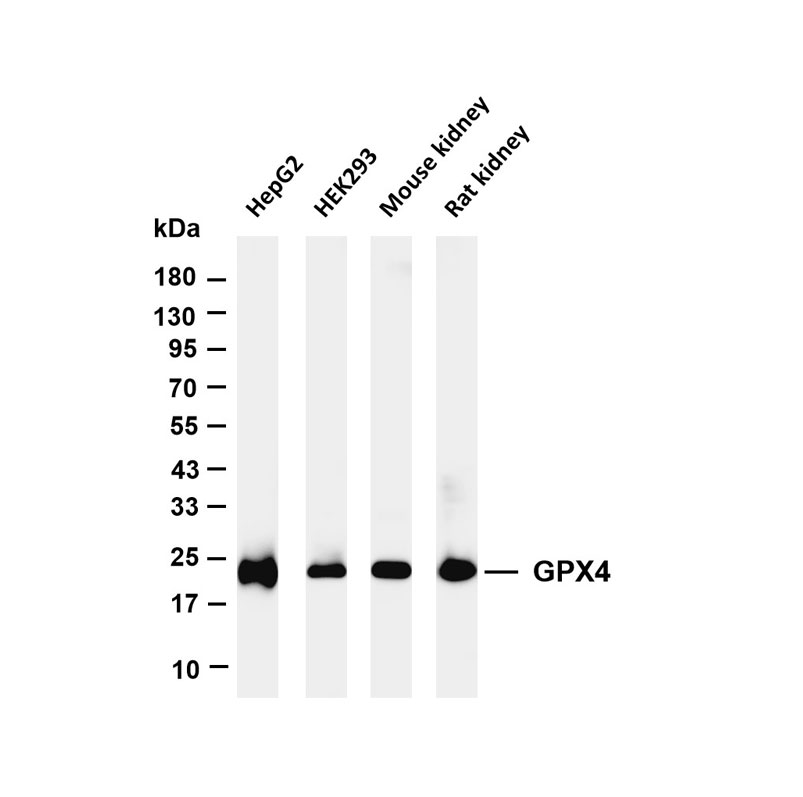
4 Rigorous multi-dimensional validation.
Related Resource Links



Related Promotional Journal Downloads





-

-

support@lamarck.cn
-


订货
-

留言